Published on 10.2026
Birdwatching in Bolivia: The Best Places for Birding and Birdwatching Tours
Looking for the best places for birdwatching in Bolivia? From the high Andes and cloud forests to the Amazon rainforest and tropical savannas, Bolivia is one of South America's most exciting—and still relatively undiscovered—birding destinations.
With an extraordinary variety of ecosystems and more than 1,400 recorded bird species, Bolivia offers an exceptional opportunity for birdwatchers, wildlife photographers and nature travelers. What makes the country particularly special is the dramatic change in habitats over relatively short distances: you can be watching Andean birds in the morning and exploring Amazonian forest later the same day.
At ALWA Sustainable Tourism, we believe that birdwatching is much more than checking species off a list. It is a way of discovering Bolivia's landscapes, cultures and conservation efforts while traveling responsibly.
Whether you are an experienced birder looking for endemic species or a traveler discovering birdwatching for the first time, Bolivia has a birding experience waiting for you.
Why Go Birdwatching in Bolivia?
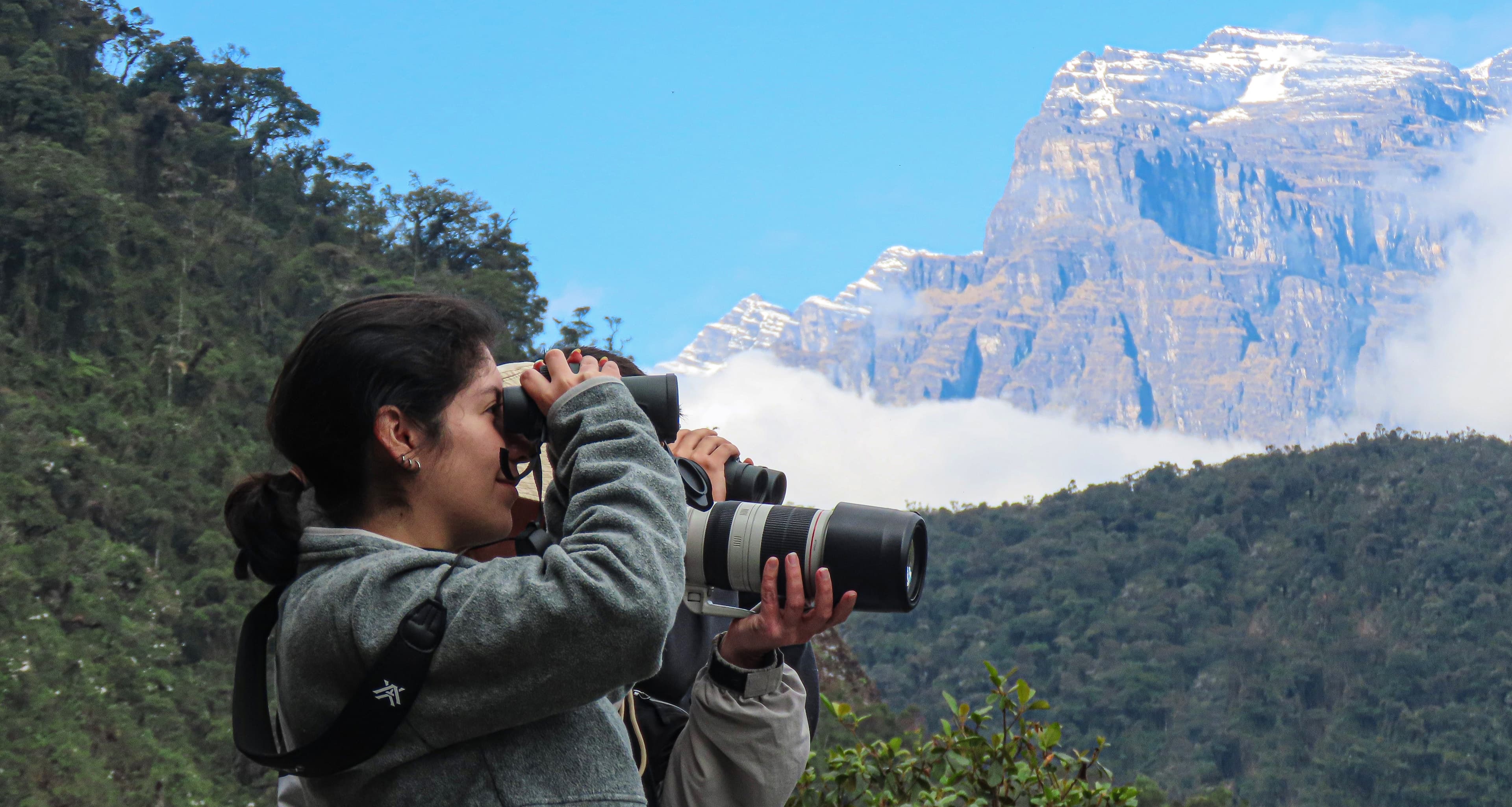
Bolivia is a dream destination for birdwatchers because of its extraordinary geographic and ecological diversity.
The country stretches from the high Andes to the Amazon Basin, encompassing cloud forests, dry inter-Andean valleys, tropical rainforest, wetlands, grasslands and high-altitude ecosystems.
Each habitat supports a different community of birds.
This means that a birding trip to Bolivia can include colorful tanagers and hummingbirds in the cloud forest, macaws flying over dry valleys, antbirds hidden in Amazonian vegetation and spectacular high-Andean species found nowhere else.
For birders, this diversity creates an opportunity to see a remarkable number of species without needing to travel across several countries.
But Bolivia offers something else that is increasingly difficult to find: a genuine sense of wilderness.
Many of the country's best birding locations remain relatively quiet compared with better-known South American destinations. You can spend a morning walking through a cloud forest listening to bird calls without encountering another group of tourists.
That feeling of discovery is one of the reasons we love birdwatching in Bolivia.
The Best Places for Birdwatching in Bolivia
1. Madidi National Park: Amazonian Birdwatching at Its Best
If you are planning a birdwatching tour in Bolivia, Madidi National Park should be high on your list.
Located in northwestern Bolivia, Madidi protects an extraordinary range of ecosystems, from Amazonian lowland rainforest to montane and cloud forests. This dramatic variation in elevation and habitat contributes to an exceptional diversity of birds.
For birdwatchers, Madidi is the kind of place where every morning feels like an expedition.
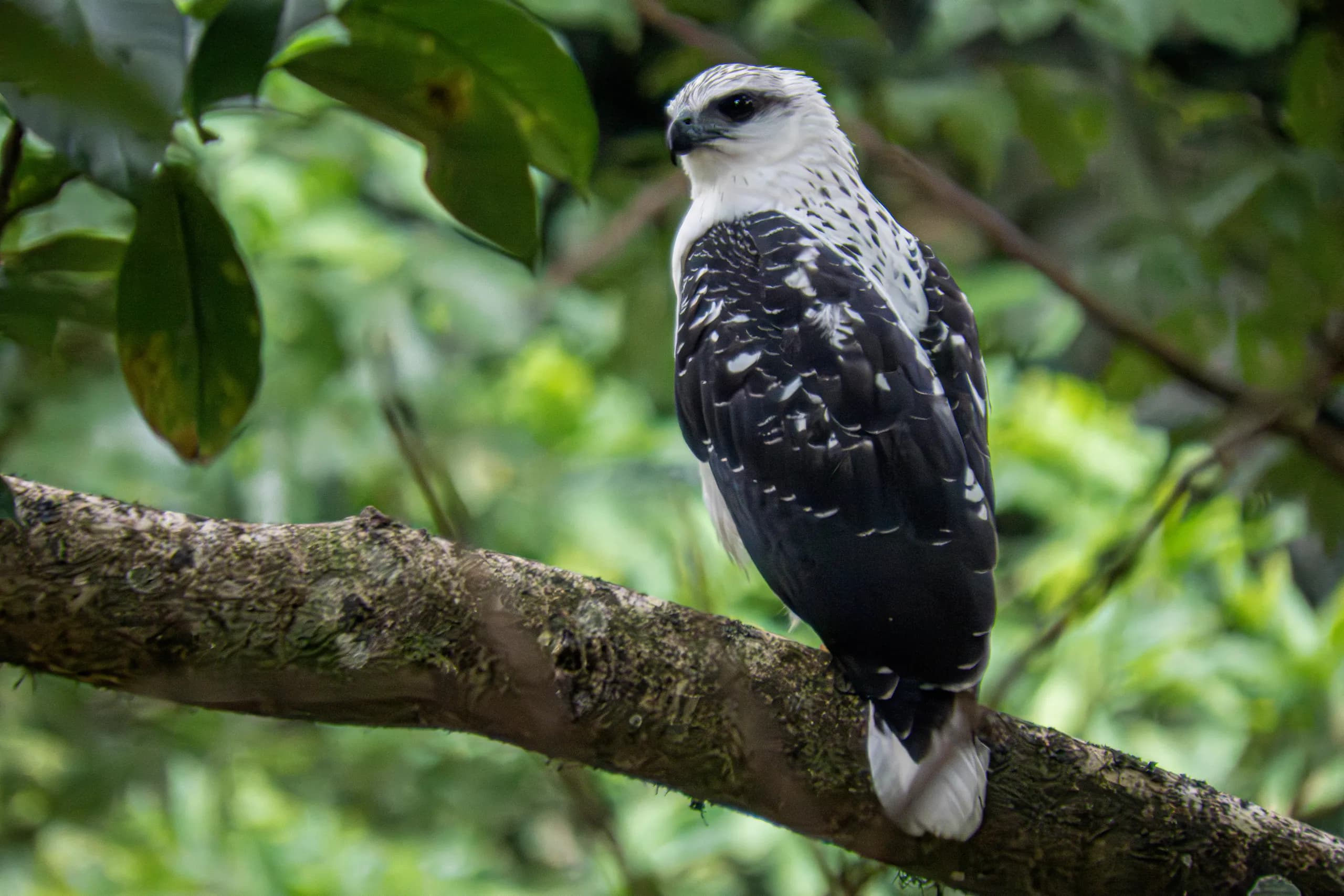
Listen carefully and you may hear antbirds calling from dense vegetation, woodpeckers working their way through tree trunks, tanagers moving through the canopy and parrots crossing high above the forest.
The area around Sadiri Lodge, accessible from Rurrenabaque, is particularly interesting because of its location within the transition between Amazonian lowlands and foothill forests.
For more experienced birders, the remote areas of Madidi offer the possibility of exploring some of the most pristine rainforest habitats in Bolivia.
Why bird Madidi?
- Exceptional Amazonian bird diversity
- Amazon and foothill forest habitats
- Excellent opportunities for bird photography
- Remote and immersive wilderness experiences
- Ideal for combining birdwatching with wildlife and cultural experiences
Best for: experienced birdwatchers, wildlife photographers and travelers looking for an authentic Amazon adventure.
2. Amboró National Park: One of Bolivia's Birding Hotspots
Located in the department of Santa Cruz, Amboró National Park is another essential destination for birdwatching in Bolivia.
Amboró is particularly fascinating because several major ecological regions meet here. As a result, the park contains an impressive variety of habitats and bird species.
The Buena Vista area provides excellent access to the northern side of Amboró and is an attractive base for exploring the surrounding forests.
Early morning is the best time to be in the field. As the sun rises, the forest becomes increasingly active, with hummingbirds, tanagers, toucans, woodpeckers and numerous species of flycatchers and other forest birds.
One of the advantages of visiting Amboró with an experienced birding guide is that many tropical birds are easier to find by sound than by sight. Knowing their calls, behavior and preferred habitat can make the difference between simply walking through the forest and actually understanding what is happening around you.
Why bird Amboró?
- Exceptional habitat diversity
- Rich Andean and Amazonian birdlife
- Excellent opportunities for bird photography
- Accessible from Santa Cruz
- Ideal for combining birding with other nature experiences
Best for: birders looking for high species diversity and travelers who want to combine comfort, accessibility and excellent wildlife observation.
3. Cochabamba: Red-fronted Macaws and Andean Endemics
For birdwatchers interested in endemic species, Cochabamba offers a completely different experience.
The dry inter-Andean valleys surrounding Cochabamba are home to the spectacular Red-fronted Macaw, one of Bolivia's most iconic endemic birds.
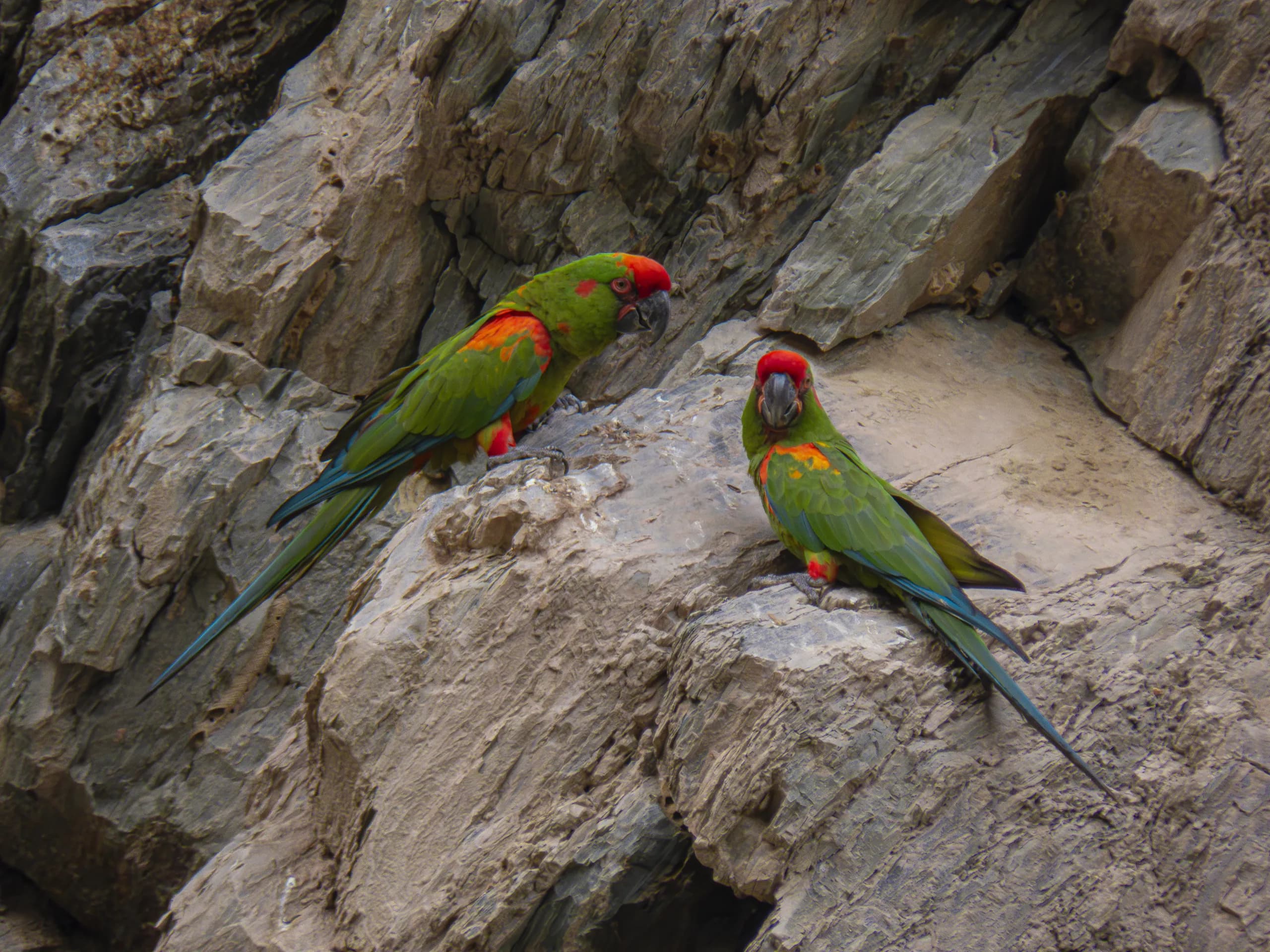
Seeing these macaws in their natural environment is one of those experiences that stays with you. Their bright colors contrast dramatically with the dry valley landscapes, while their calls can often be heard before the birds appear.
The region also provides access to Andean forests and high-elevation habitats where bird communities change dramatically with altitude.
Sites such as San Miguel Polylepis Forest are particularly interesting for birders searching for species associated with these distinctive high-Andean forests.
Why bird Cochabamba?
- Opportunity to see the endemic Red-fronted Macaw
- Unique dry-valley ecosystems
- High-Andean bird species
- Important conservation areas
- Excellent destination for bird photography
Best for: birders interested in endemic species, macaws and Andean ecosystems.
4. Cotapata and the Yungas: Birdwatching from the Andes to the Cloud Forest
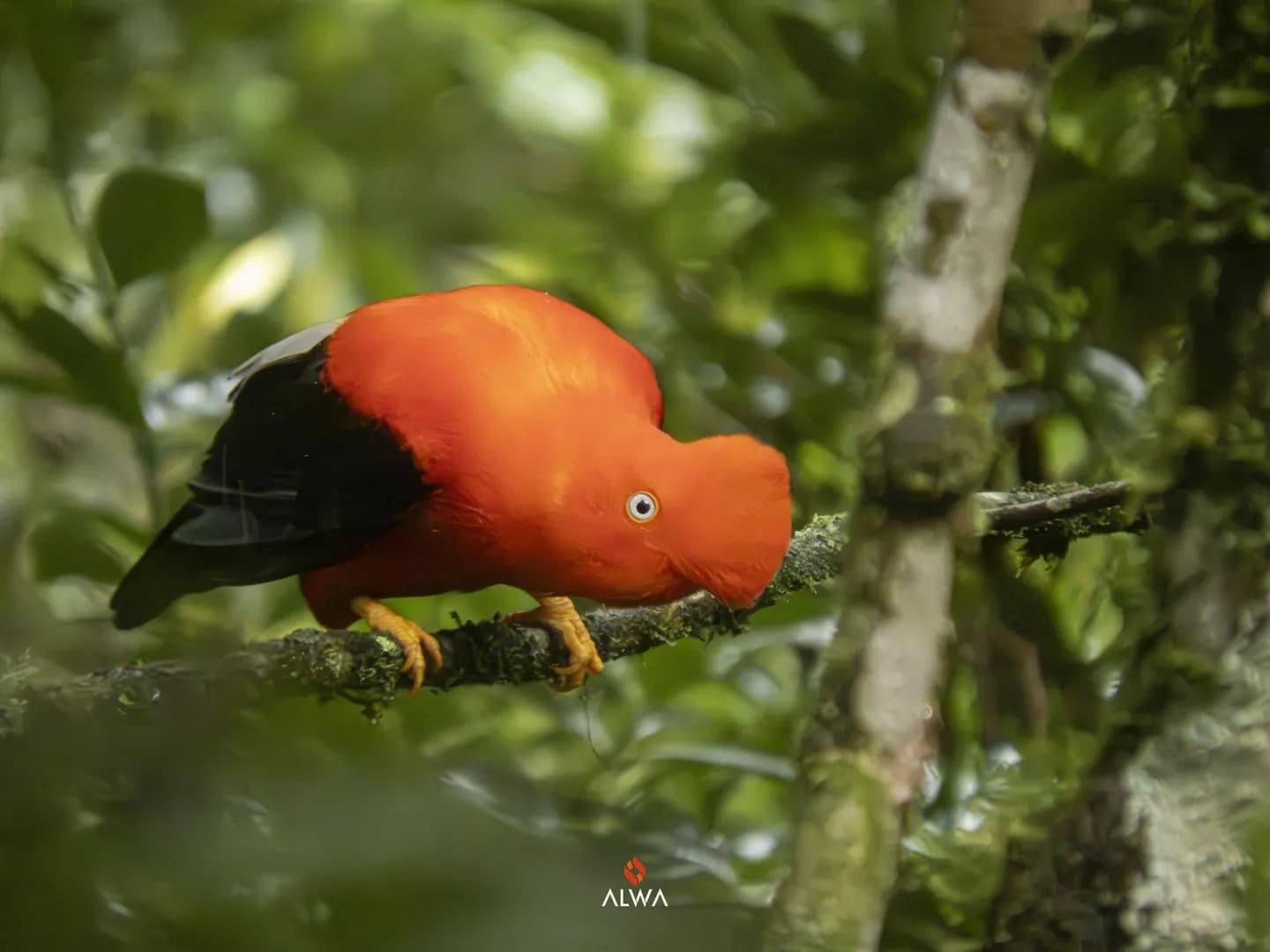
One of the great advantages of starting a Bolivia birding tour from La Paz is the incredible altitudinal gradient leading toward the Yungas.
In just a few hours, the landscape can change from high-altitude Andean terrain to lush, humid cloud forest.
Cotapata National Park is one of the best places to experience this transition.
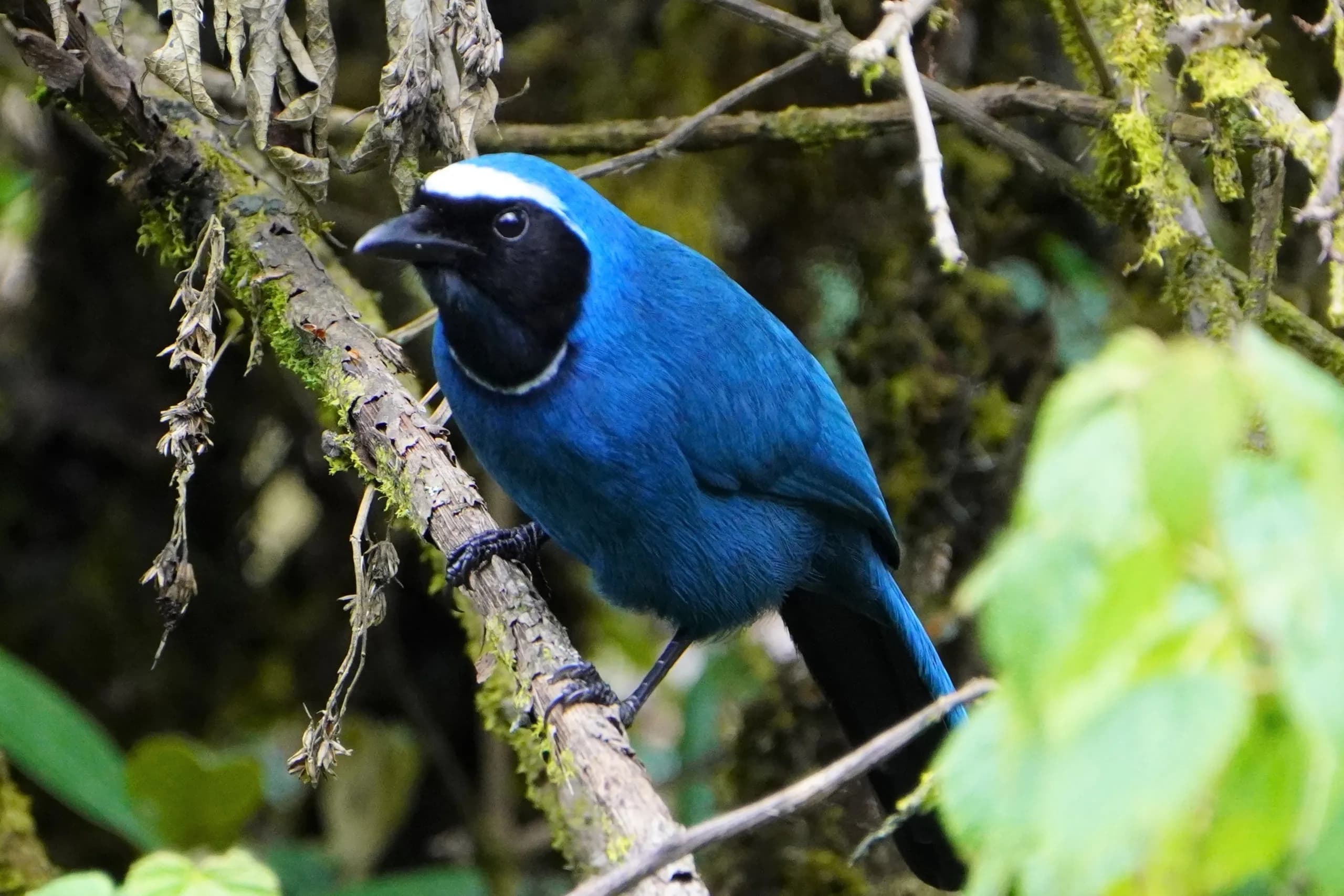
For a birdwatcher, descending through the Yungas is like moving through several different worlds. The bird community changes continuously with elevation, creating opportunities to see species adapted to high-altitude environments as well as colorful cloud-forest birds.
Cloud-forest birding requires patience. Visibility can be limited by dense vegetation, but learning to identify birds by their calls makes the experience much more rewarding.
At ALWA, we offer birding experiences in Cotapata and the High Andes, allowing travelers to explore this remarkable transition with local knowledge and specialist guidance.
Why bird Cotapata and the Yungas?
- Incredible altitudinal gradient
- High-Andean and cloud-forest species
- Close to La Paz
- Excellent combination of scenery and birdwatching
- Ideal for shorter birding trips and extensions
Best for: travelers based in La Paz, first-time birders, photographers and anyone fascinated by Andean ecosystems.
5. Beni: Macaws, Wetlands and Open Savannas
If you want to experience a completely different side of Bolivia birdwatching, travel east to the Beni.
The landscape here is dominated by tropical savannas, wetlands, palm islands and seasonally flooded grasslands. This creates an entirely different birding environment from the dense forests of Madidi and Amboró.
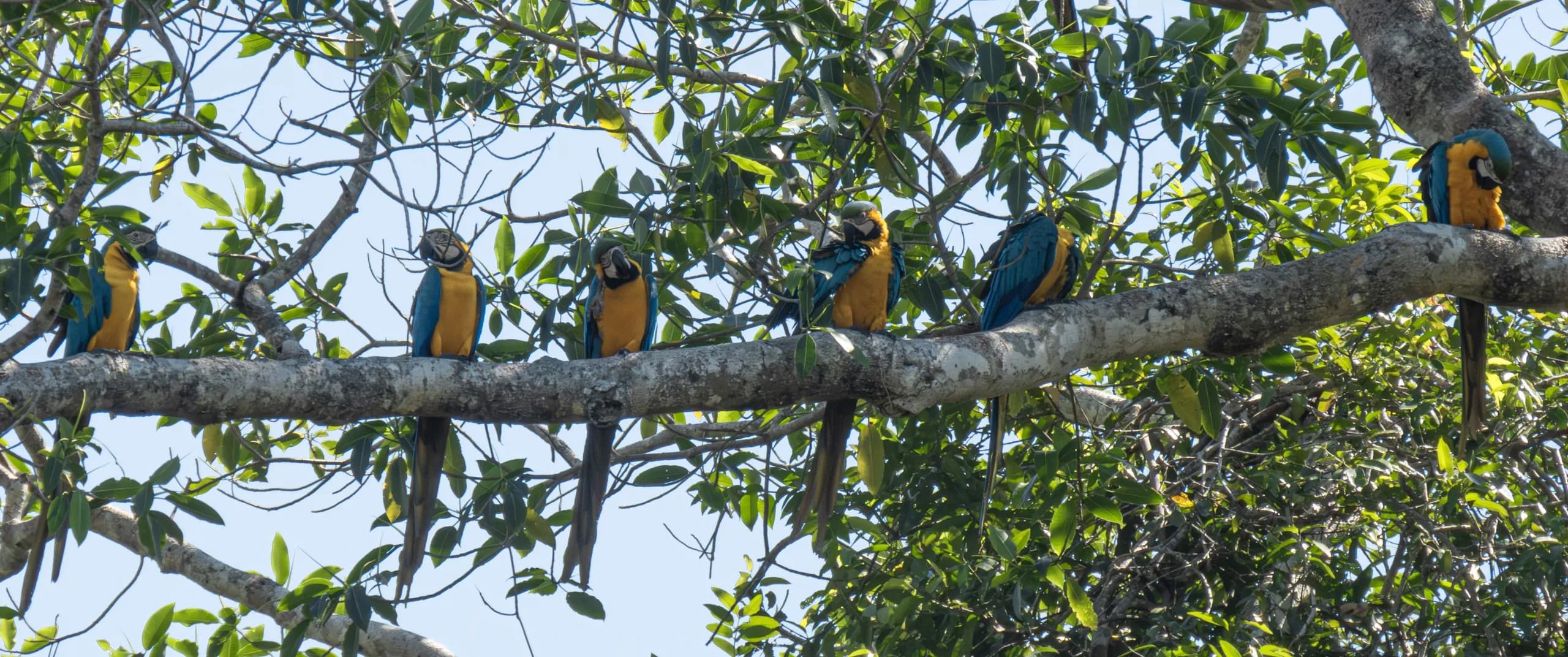
The Beni is particularly important for bird conservation and is home to one of Bolivia's most iconic species: the Blue-throated Macaw.
The species is critically endangered, and conservation initiatives such as Barba Azul Nature Reserve have become important examples of how habitat protection and sustainable tourism can support bird conservation.
For visitors, seeing these macaws in the wild is an unforgettable experience. For conservation-minded travelers, it also offers a direct connection between tourism and the protection of threatened species.
Why bird the Beni?
- Blue-throated Macaw
- Vast tropical savannas and wetlands
- Exceptional opportunities for bird photography
- Important conservation projects
- Very different birdlife from Bolivia's forest destinations
Best for: serious birders, photographers and travelers interested in conservation.
6. Noel Kempff Mercado National Park: For the Adventurous Birder
For travelers who want to go deeper into Bolivia's wilderness, Noel Kempff Mercado National Park is one of the country's most rewarding birding destinations.
Located in northeastern Bolivia, this remote national park combines Amazonian rainforest, cerrado and the spectacular Huanchaca Plateau.
Its remoteness makes it more challenging to visit than destinations such as Cotapata or Amboró, but that is also what makes the experience so special.
This is birding for travelers who enjoy exploration, long days in the field and the possibility of encountering species in landscapes where very few tourists venture.
The diversity of habitats means that birders can encounter both forest species and birds associated with open cerrado environments.
Why bird Noel Kempff Mercado?
- Remote Amazonian wilderness
- Exceptional habitat diversity
- Forest and cerrado bird species
- Outstanding opportunities for experienced birders
- An authentic expedition-style experience
Best for: experienced birders, wildlife photographers and adventurous travelers.
When Is the Best Time for Birdwatching in Bolivia?
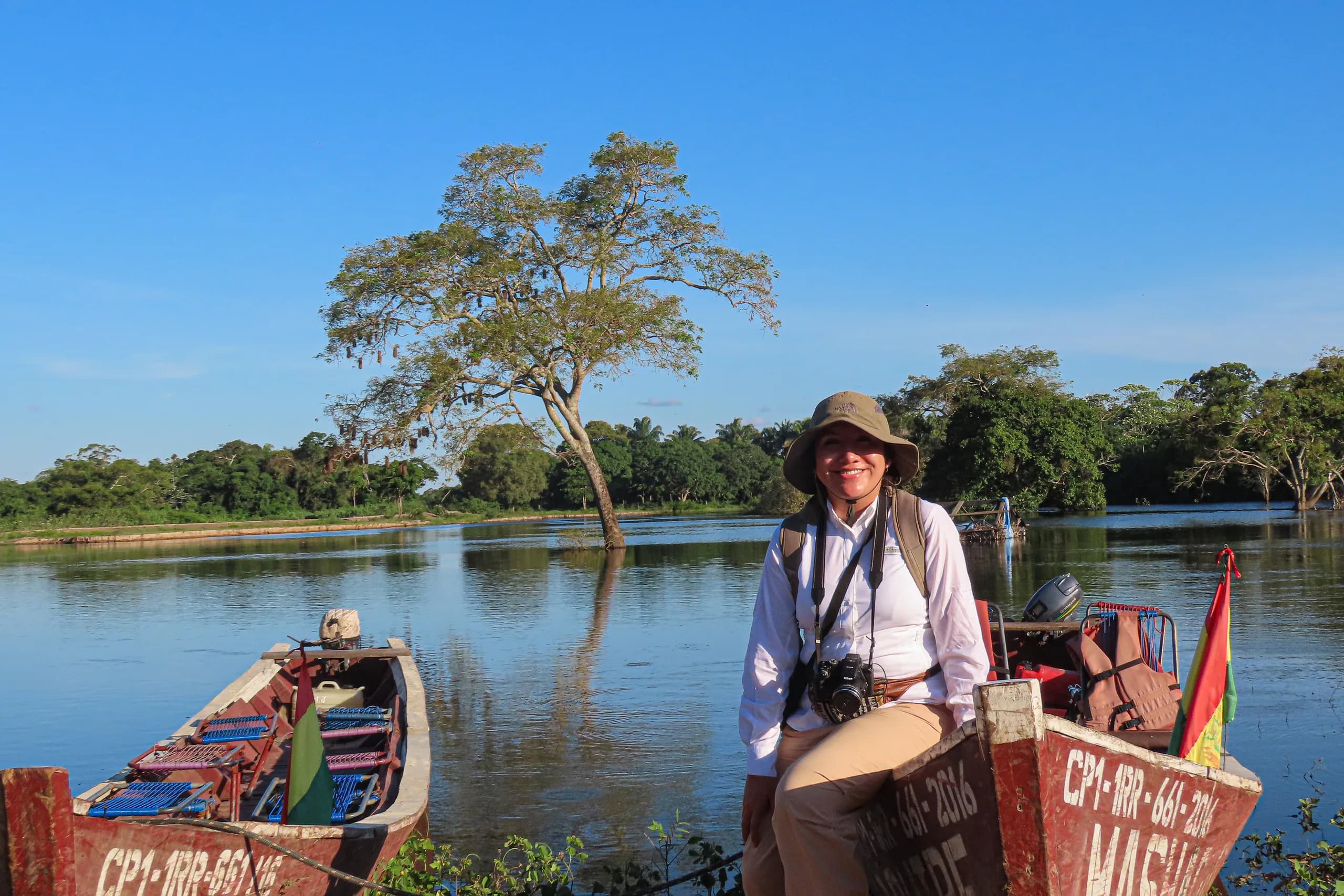
Bolivia can be visited for birdwatching throughout much of the year, but the best time depends on the region and the species you want to see.
In general, the dry season can provide easier access to many destinations and more predictable trail conditions, while the wet season brings its own advantages, including lush vegetation and increased bird activity in some habitats.
Rather than choosing your travel dates based only on a generic "best season," we recommend planning around your target species and the regions you want to visit.
This is where working with a specialist local operator can make a significant difference.
At ALWA, we can help design an itinerary around your interests, whether your priority is endemic species, macaws, hummingbirds, Amazonian birds, Andean species or simply experiencing as much of Bolivia's birdlife as possible.
Why Choose ALWA for a Birdwatching Tour in Bolivia?
A successful birding trip depends on much more than choosing the right destination. Timing, local knowledge, bird calls, habitat understanding, logistics and patience all matter.
At ALWA Sustainable Tourism, we combine birdwatching expertise with local knowledge and a strong commitment to responsible travel.
Our approach is based on creating meaningful experiences while working with local communities and supporting conservation. Rather than treating nature as simply a backdrop for tourism, we believe that tourism should contribute to the protection of the landscapes and cultures that make Bolivia special.
Our birding experiences can be adapted to different levels of experience, from travelers who are curious about birds to dedicated birders traveling with a specific species list.
We can also combine birdwatching with cultural experiences, trekking, wildlife observation and other forms of responsible travel.
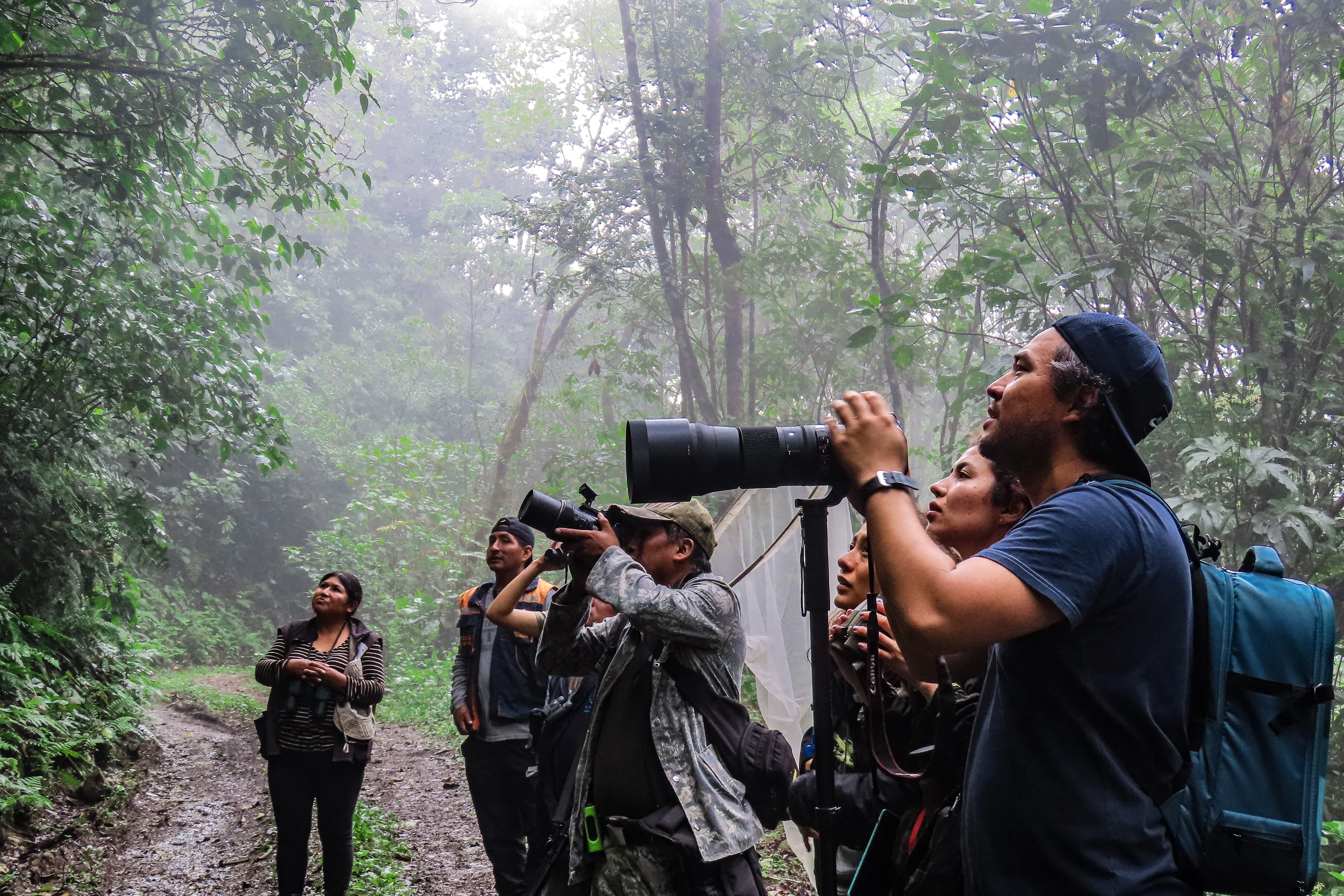
Ready to Discover Bolivia Through Its Birds?
Bolivia is a country that rewards slow travel.
Wake up before sunrise. Listen to the forest. Follow a bird call through the vegetation. Watch macaws crossing a valley. Look for hummingbirds in the cloud forest. Stop and listen again.
The more time you spend in Bolivia's landscapes, the more you realize that birdwatching is not simply about seeing birds.
It is about understanding ecosystems.
It is about discovering places that few people have experienced.
And, when done responsibly, it is also about helping protect them.
From Madidi and Amboró to the Yungas, Cochabamba and the Beni, Bolivia offers extraordinary possibilities for birdwatchers at every level.
Let ALWA Sustainable Tourism help you discover them.
Explore Bolivia's birdlife with ALWA
Whether you are planning your first birding trip to Bolivia or returning with a serious species list, we can create a tailor-made birdwatching experience based on your interests, available time and preferred destinations.
Come for the birds. Discover the landscapes. Travel responsibly with ALWA.